As technology moves with the innovation and digitalization phase, securing cloud databases has become crucial for organizations leveraging Database as a Service (DBaaS) solutions. Although DBaaS offers exceptional scalability and flexibility, it also poses special security issues that need to be resolved to protect critical data. Understanding and implementing DBaaS security best practices is crucial for data protection and regulatory compliance as cyber threats continue to evolve.
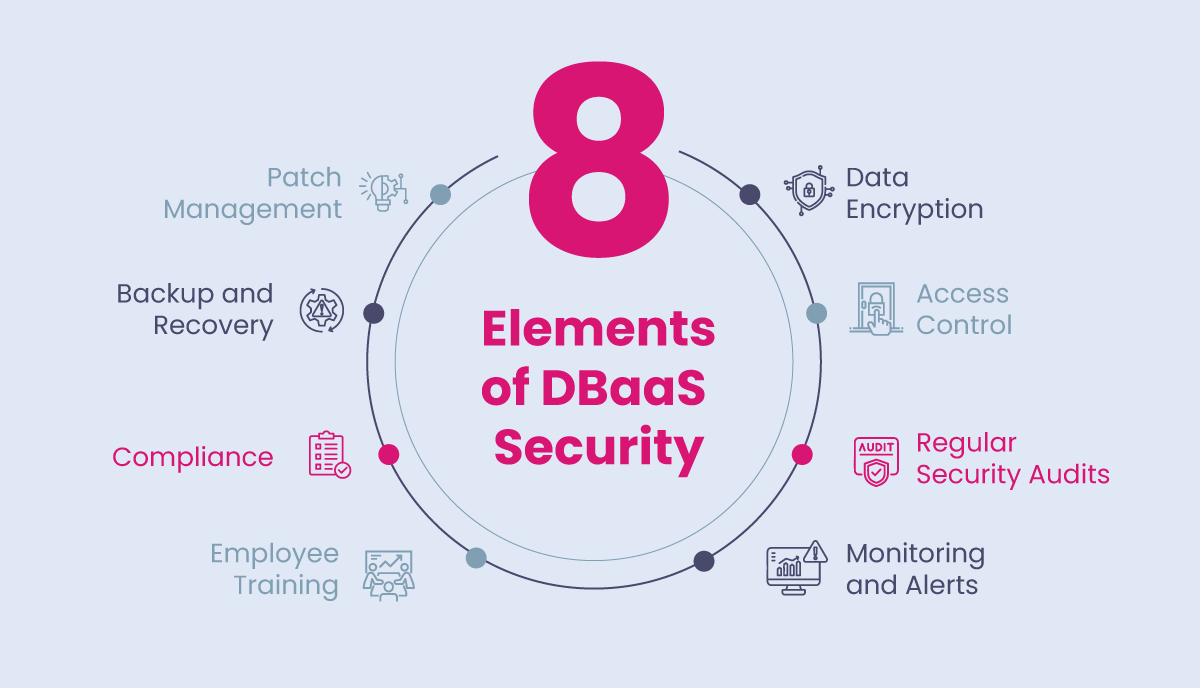
Implementing a multi-layered strategy that includes encryption, access limits, frequent upgrades, and ongoing monitoring is necessary for effective database security. Strong authentication mechanisms, such as role-based access control (RBAC) and multi-factor authentication (MFA), must be given top priority by organizations to prevent unauthorized access. Furthermore, to secure sensitive data from breaches and interception, it is essential to encrypt data while it is in transit and at rest. Regular software upgrades and patch management are crucial for minimizing vulnerabilities that hackers could exploit. Additionally, ongoing database activity monitoring can assist in the early detection of suspicious activities, enabling timely incident response.
Recommended: Cyber Threat Intelligence: How to Predict and Prevent Cyberattacks?
Before moving on to best practices to enhance your database security, let’s understand what DBaaS is and its key features:
What is Database as a Service (DBaaS)?
DBaaS is a cloud computing model that offers users access to database management systems without requiring physical hardware setup, software installation, or continuous maintenance. This allows organizations to delegate database administration and management chores to a third-party vendor, enabling them to concentrate on application development and other key activities rather than the complexities of database infrastructure administration.
As a fully managed service, DBaaS lets the provider handle important tasks, including setting up the infrastructure, installing and updating software, scaling resources according to demand, and implementing security measures in place.
DBaaS offers several advantages, such as improved scalability, quicker setup times, and lower operating expenses. Additionally, organizations can effortlessly modify database resources without experiencing interruptions.
Recommended: Top AI Security Tools for Financial Services Industry
Key Features of DBaaS
- Managed Service: DBaaS providers take full responsibility for all aspects of database management, which includes upgrades, maintenance, configuration, backups, installation, and security. This enables organizations to concentrate on their core business operations rather than the intricate details of database management.
- Scalability: DBaaS platforms enable users to scale resources up or down based on demand, making it ideal for different workloads and evolving business requirements.
- High Availability: DBaaS solutions often replicate data across multiple servers to provide constant access to data. This redundancy reduces disruptions during system outages and ensures a stable environment for important applications.
- Automated Backup and Recovery: Regular automated backups ensure that data can be restored quickly in the event of loss or corruption, providing peace of mind and robust disaster recovery options.
- Web-Based Access: Users can interact with their databases via simple web interfaces or Application Programming Interfaces (APIs). This accessibility streamlines data administration activities and reduces the need for extensive technical understanding of the underlying infrastructure.
- Performance Optimization: Many DBaaS providers provide performance monitoring and optimization tools that automatically modify resources as per usage patterns. This ensures efficient program operation and the ability to manage higher loads without human intervention.
Best Practices for Protecting Cloud Databases
Cloud database security is crucial for protecting sensitive data from various threats, especially in DBaaS environments. Organizations can considerably improve their security posture by implementing best practices.
Recommended: Top AI Security Tools for Financial Services Industry
Here are a few notable best practices to enhance your database security:
1. Implement Strong Access Controls
MFA enhances security by requiring users to provide two or more verification factors for access. On the other hand, RBAC restricts user access based on their specific roles, ensuring that only authorized personnel can access sensitive data. These measures proactively minimize security risks and contribute to a secure database environment.
2. Encrypted Data
Data stored in databases should be strongly encrypted, and data sent over networks should be protected by Transport Layer Security (TLS). These precautions protect sensitive data from potential breaches in addition to complying with data privacy laws. Further, establish reliable encryption key management methods to prevent unauthorized access to sensitive information.
3. Regularly Update and Patch Systems
Use the latest security patches to keep your database software and supporting systems updated. Implement a patch management plan to mitigate vulnerabilities and lower the potential for unauthorized access.
4. Monitor Database Activity
Utilize auditing tools to continuously monitor for irregularities in database activity and implement logging features to monitor user activity and identify questionable conduct.
5. Backup Data Regularly
Maintain three copies of your data, use two different forms of storage, and store one copy offshore. Test backups regularly to ensure they can be successfully restored in the event of data loss or corruption.
Recommended: Cyber Insurance: Risks and Trends 2025
6. Employ Firewalls and Network Security Tools
Filter incoming and outgoing traffic with firewalls to stop unauthorized access attempts. By detecting and stopping hostile activity, intrusion detection and prevention systems (IDS/IPS) can further improve the security posture of organizations.
7. Establish a Comprehensive Incident Response Plan (IRP)
Develop a comprehensive IRP to handle security incidents, including roles, duties, and communication strategies. This plan should be reviewed and updated on a regular basis in response to evolving threats.
8. Educate Users
Ensure that users are well trained and educated with knowledge of security best practices, such as how to spot phishing efforts and the importance of having strong password policies. This will help security professionals to keep up with the latest updates and enhance security layers in the event of potential threats.
9. Secure API Access
Use strong authentication techniques to confirm the identity of users. To safeguard data while it is transferred between systems, use encryption. Update API security protocols often to fix vulnerabilities.
10. Consider Containerization Technologies
If one component is hacked, use containerization to isolate databases from other applications, which lowers the possibility of attackers moving laterally.
Following these best practices can help organizations improve their DBaaS security posture for their cloud databases and protect the confidentiality and integrity of their data in a threat environment that is becoming more complex.
Recommended: Cybersecurity Simplified: What is Cloud Infrastructure Security?
Conclusion
Utilizing DBaaS to secure your cloud database is crucial in today’s data-driven world. As organizations increasingly depend on cloud solutions for their data management requirements, the need for DBaaS cloud data security is becoming important. Organizations should implement a comprehensive DBaaS security strategy, which includes regular audits, user education, and incident response preparation. DBaaS provides several benefits to organizations, such as cost-effectiveness, scalability, and improved security measures that are often stronger than those that businesses can accomplish independently. Database security is a continuous process that requires continuous vigilance to detail and adjustment to the evolving threat landscape.
Setting database security as a top priority will be essential to maintaining data availability and integrity in a rapidly evolving digital environment as organizations increasingly rely on DBaaS solutions for their operational requirements. Organizations can drastically lower the risks associated with cyber threats by implementing best practices such as strong access controls, encryption, regular upgrades, and continuous monitoring into their cybersecurity plan. Building a strong security framework promotes confidence among stakeholders and customers by protecting sensitive data and ensuring adherence to legal requirements. Organizations implementing these practices internally can protect their priceless data assets and improve their overall security posture.
To share your insights, please write to us at news@intentamplify.com