

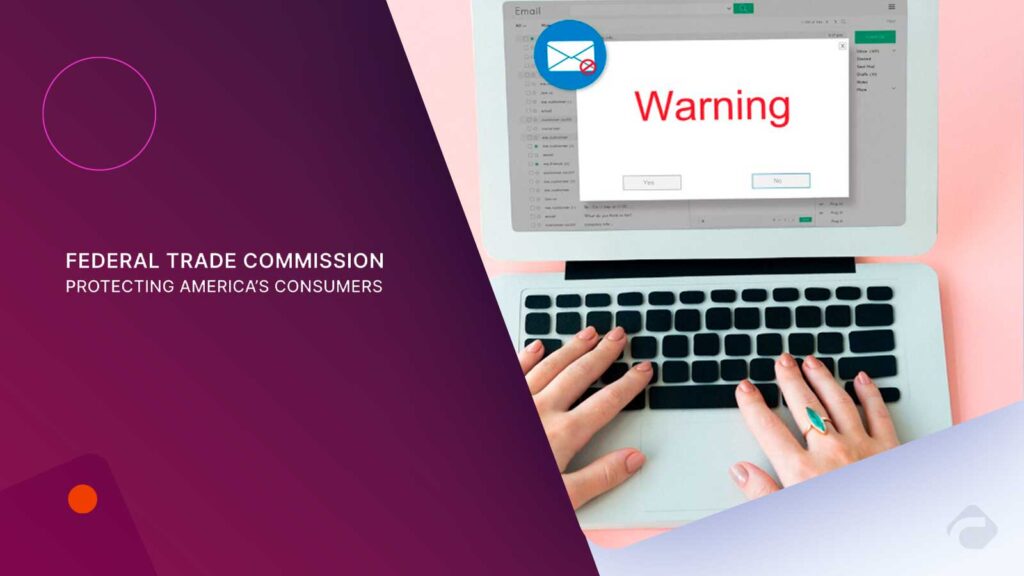
As scam texts erode trust in mobile messaging, new verification approaches aim to help consumers distinguish legitimate communications from fraudulent ones before engaging.
Consumers are increasingly ignoring legitimate retail messages, mistaking them for scams, as the rapid rise of AI-powered fraud reshapes trust in digital communication. According to statistics from the FTC Consumer Sentinel Network, customers lost around $470 million to text scams in 2025, a fivefold increase since 2020. What was once a highly effective engagement channel – SMS marketing – is now facing declining credibility, with customers treating nearly every unknown message as a potential threat.
This growing skepticism is having a measurable impact on retailers. As consumers hesitate to open or respond to messages, brands are experiencing what industry leaders describe as a “friction tax” on engagement and revenue. Critical communications such as delivery updates, account alerts, and promotional offers are being ignored, weakening one of retail’s most immediate and direct communication tools.
The shift is being driven by a surge in smishing attacks, where cybercriminals use increasingly sophisticated techniques to mimic legitimate brand messages. As these scams become more convincing, consumers are defaulting to caution – often deleting messages without verifying their authenticity. This behavioral change is eroding the high trust and near-universal open rates that SMS once enjoyed.
Ariel Reid, Vice President of Customer Experience at GCH Technologies, emphasized that the issue extends beyond lost sales. She described it as a “psychological retreat” by consumers, where trust in brand communication is fundamentally breaking down. To address this, GCH Technologies is working to modernize the U.S. Short Code Registry in partnership with the Cellular Telecommunications and Internet Association (CTIA).
The modernization effort aims to rebuild trust by strengthening verification and accountability within the SMS ecosystem. Traditionally, short codes – five- and six-digit numbers used for business messaging – have been considered more secure due to strict vetting processes. By enhancing these safeguards, GCH Technologies seeks to create a trusted communication channel where legitimate brands can reliably reach consumers.
Reid highlighted that the updated registry is designed to establish a stronger “source of truth” for business messaging. By increasing barriers to entry and enforcing stricter validation, the initiative aims to prevent fraudulent actors from exploiting the system while ensuring that verified messages are recognized and trusted by recipients.
The importance of short codes lies in their controlled ecosystem. Unlike standard phone numbers, businesses must go through approved providers and meet compliance requirements to use them. This structure significantly reduces fraud within the channel, making it a premium and more secure option for brand communication.
However, the broader challenge remains complex. Different messaging channels and telecom providers have varying requirements, creating a fragmented system that can be difficult to standardize. Despite these challenges, industry efforts are increasingly focused on creating unified frameworks that enhance both security and usability.
Beyond SMS, companies like Emovid are introducing new approaches to digital trust. Emovid’s platform leverages recorded video messages linked to verified identities, enabling recipients to confirm that communications originate from real individuals rather than automated or spoofed systems.
Victor Cho, CEO of Emovid, noted that traditional indicators of trust – such as recognizable formats or sender familiarity – are no longer sufficient in an era of advanced AI-generated content. He emphasized that businesses must move toward systems that actively verify authenticity rather than assuming it.
Emovid’s approach introduces a verification layer that combines identity markers, branding, and human presence, making it significantly harder for fraudsters to replicate communications at scale. This method reflects a broader industry trend toward multi-layered trust frameworks.
Together, these developments signal a shift toward a two-tier communication strategy: secure, vetted messaging channels for speed and efficiency, and verified, identity-based interactions for high-trust engagements. As digital fraud continues to evolve, businesses are being forced to rethink how they communicate with customers.
Ultimately, the erosion of trust in SMS highlights a larger transformation in digital commerce. Brands can no longer rely on traditional communication channels alone – they must actively prove the authenticity of every interaction. In a landscape shaped by AI-driven threats, rebuilding consumer confidence is becoming as critical as the message itself.
Recommended Cyber Technology News :
- Google Uses Gemini AI to Combat Rising Ad Scam Threats
- AI Pushpaganda Scam Exploits Google Discover Ads
- Samsung Rolls Out AI Scam Detection Feature Globally
To participate in our interviews, please write to our CyberTech Media Room at info@intentamplify.com
🔒 Login or Register to continue reading









