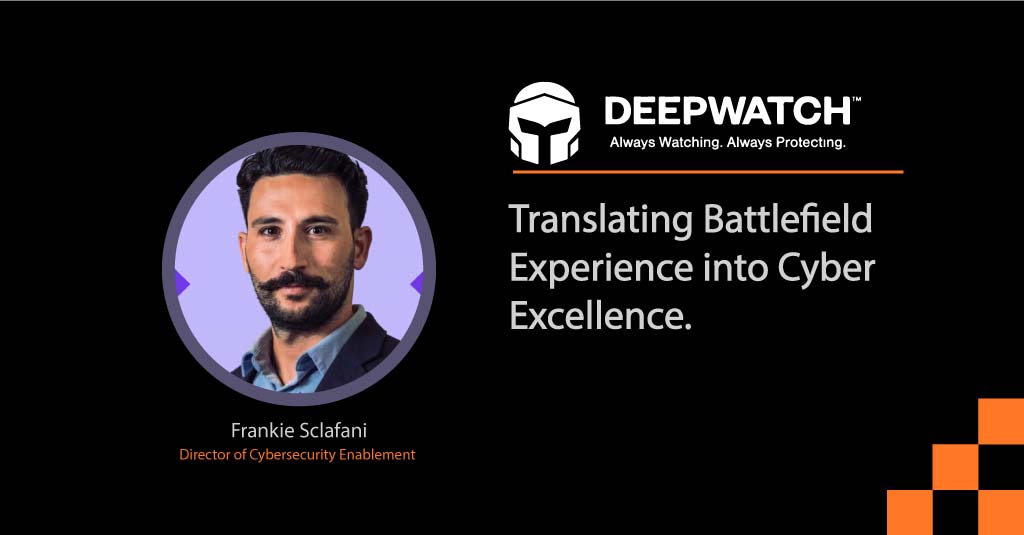
Veterans Day is a moment to honor those who’ve served, and in cybersecurity, it’s also a time to recognize how military experience continues to shape and strengthen our industry. My own journey from military service to cybersecurity leadership has shown me that the skills forged in uniform, discipline, resilience, and mission focus—are not just transferable, they’re foundational.
I began my career in the U.S. Air Force, supporting NSA and Cyber Command missions around the globe. Early on, the military thrusts a lot of responsibility on our veteran’s shoulders. I was trusted to lead critical incident response engagements and vital computer network operations. These weren’t theoretical exercises; they were real-world missions where lives depended on secure communications and actionable intelligence. The stakes were high, and the margin for error was zero.
That experience taught me how to lead under pressure, how to stay calm when everything around me was “on fire,” and how to speak with clarity when others were looking for answers. These are the same qualities I rely on today in cybersecurity, whether responding to a breach, mentoring a team, or building threat detection strategies.
Recommended CyberTech Insights: Are You Afraid of the Dark (Web)?: How the Widespread Adoption of Agentic AI Creates New Cyber Nightmares for Enterprises
Similarly, to many other veterans I talk to, what drew me to cybersecurity after the military wasn’t just the technical challenge, it was the opportunity to continue serving a mission. My father spent over 30 years in law enforcement, and I’ve always felt a responsibility to do good in the world. In college, a digital forensics professor (a former FBI agent) helped me see how technology could be used to pursue justice. That clicked for me. Cybersecurity is technical, yes, but it’s also deeply human. It’s about protecting people, systems, and truth.

At Deepwatch, I’ve found a team that values that mindset. Our veteran advocacy group helps maintain the sense of community many of us miss after leaving the military. And the leadership culture here—built on coaching, empowerment, and trust—mirrors the best of what I experienced in service.
Why Veterans Excel in Cybersecurity
Veterans bring a unique set of strengths to cybersecurity roles, especially in high-pressure environments like Security Operations Centers (SOCs) and incident response teams:
- Situational Awareness: Military training emphasizes threat assessment and environmental awareness—skills that directly apply to threat hunting and penetration testing.
- Leadership Under Pressure: Veterans are often placed in leadership roles early in their careers. They know how to mentor, coach, and execute under stress.
- Operational Discipline: Precision matters. In cybersecurity, one wrong digit in an IP address can compromise an entire mission. Veterans are trained to operate with that level of detail.
- Mission-Driven Focus: Veterans understand the importance of protecting critical assets and maintaining integrity—values that align perfectly with cybersecurity’s core mission.
- Team Culture: The camaraderie and trust built in service translate into strong, collaborative cyber teams. Veterans know how to lead and follow, and they understand the power of shared responsibility.
Recommended CyberTech Insights: CMMC Compliance: Is Your DoD Revenue at Risk?
Advice for Veterans Entering Cybersecurity
If you’re a veteran considering a career in cybersecurity, here’s what I recommend:
- Get Hands-On Experience: Build a home lab. Practice network configuration, vulnerability scanning, and malware analysis. Certifications prove knowledge, but hands-on work proves capability.
Start with IT: If you’re new to tech, begin with Tier 1 support or junior network roles. The pipeline often goes: IT Support → System/Network Admin → Cybersecurity.
Learn to use AI and Learn to Code: AI is a powerful new tool that is changing our industry. Learn to embrace it as a tool in your toolbelt. Python and Bash/PowerShell are essential for scripting, automation, and data analysis, especially in SOC environments.
Use Your Benefits:- DoD SkillBridge: Offers 180-day internships while on active duty—an ideal way to gain civilian experience.
- GI Bill & VET TEC: Can fund bootcamps, certifications, and degree programs.
- SANS VetSuccess Academy, Onward to Opportunity (O2O), and CISA Learning: Provide high-quality training and career support.
- Join Veteran Tech Communities: Platforms like VetSec offer mentorship, networking, and shared resources for transitioning into cyber roles.
Cybersecurity is facing a talent shortage, and veterans are a ready, capable, and mission-driven solution. We’ve operated under pressure, led teams in complex environments, and protected critical systems. As threats evolve, so must our workforce. Veterans don’t just adapt to cybersecurity, they elevate it.
This Veterans Day, let’s not only honor service, we should invest in it. Because the front lines of cyber defense need the same grit, precision, and leadership that define military service.
Recommended CyberTech Insights: Shai-Hulud: Defending Against the Latest NPM Supply Chain Attack
To participate in our interviews, please write to our CyberTech Media Room at info@intentamplify.com