As technology moves forward with innovation, biometric authentication is becoming a cornerstone of Multi-Factor Authentication (MFA). Biometric authentication is an advanced MFA technology widely utilized by organizations, businesses, and governments across the globe for its efficient and effective security solutions. Moreover, this advanced technology offers enhanced security and user experience, making it a reliable authentication technology.
Furthermore, by offering a simple and safe way to confirm identities, biometric authentication is revolutionizing the MFA user experience. Biometrics use distinctive physical characteristics, such as voice patterns, facial recognition, and fingerprints, which makes them intrinsically more secure than conventional techniques that depend on passwords or PINs. Users may log in faster and more easily with this method, which also improves security by streamlining the authentication process.
The future of biometric authentication is characterized by a number of significant trends and breakthroughs that promise enhanced security, improved user experience, and broader usage as technology develops. Biometric authentication promotes a more intuitive user experience by eliminating password fatigue and lowering login friction. Biometric integration is becoming crucial for striking a balance between strong security and user convenience as more and more businesses implement MFA systems. Additionally, the use of Artificial Intelligence (AI) will play a crucial role in the advancement of biometric authentication.
Recommended: Cybersecurity Simplified: What is Cloud Infrastructure Security?
Key Trends in Biometric Authentication
Technological breakthroughs and growing security requirements across industries are driving the rapid evolution of biometric authentication. As we look towards 2026, several significant trends are emerging that are influencing biometric authentication technology.

Here we highlight a few key trends in biometrics authentication:
1. Enhanced Security Measures
Multimodal biometrics—which integrates several biometric modalities such as fingerprints, facial recognition, and iris scans—will receive a lot of significant focus in the future. This layered approach improves security by reducing the limitations of individual systems and offering a greater degree of confidence against unwanted access. It is anticipated that multi-modal techniques will be used in biometric authentication, incorporating several biometric characteristics such as speech analysis, facial recognition, and fingerprints. Especially in high-security settings such as banks and government buildings, this multi-layered security approach significantly lowers the possibility of unwanted entry and improves the accuracy of identification verification.
2. Integration with AI and Machine Learning
The use of AI and machine learning in biometric authentication to increase accuracy and user experience. In particular, AI algorithms will reduce false positives and negatives and improve the precision and reliability of biometric systems. Machine learning will enable these systems to adjust to changes in an individual’s look over time, ensuring long-term dependability.
The accuracy, effectiveness, and user experience of biometric systems will all be improved by the integration of AI and machine learning. With the use of these technologies, systems will be able to learn from data over time, increasing their capacity to recognize people while decreasing false positives and negatives.
3. Behavioral Biometrics
The adoption of behavioral biometrics and context-aware authentication will lead to more seamless user interactions in the future. Behavioral biometrics is a novel technology that identifies people based on their distinct patterns of behavior rather than their physical attributes. These technologies enable seamless verification processes that adjust based on user activity, such as typing patterns or device usage, making the authentication process more natural. Identifying trends in user behavior, including mouse movements and typing speed, will add another degree of protection. In particular, continuous authentication, in which the system confirms identification during a session, will work well in the future.
Recommended: Cybersecurity Simplified: LLMjacking Attacks
4. Rise of Wearable Biometrics
The increasing use and availability of wearable devices with biometric sensors will enhance biometric authentication technology and contribute to making continuous and passive authentication easier. This enables physiological traits to be used for user authentication without requiring active participation.
Biometric sensor-equipped wearable technology is expected to grow in popularity. Users can be validated without actively using the device with the device’s continuous and passive authentication features. This pattern is in line with the rising need for safe and convenient access.
5. Contextual and Adaptive Authentication:
Contextual awareness is anticipated to be incorporated into future MFA systems, which would dynamically modify the amount of authentication factors needed by monitoring variables like device usage and location. The goal of this strategy is to maintain strong security while minimizing login hassle. The widespread adoption of biometric authentication is anticipated in industries like healthcare, finance, and retail. This adoption will offer stronger protection against fraud and identity theft in addition to streamlining procedures.
For example, banks will probably use biometrics in addition to conventional techniques to safeguard transactions and identify customers during onboarding procedures.
In summary, technological improvements and the growing need for secure yet user-friendly solutions will drive major advancements in biometric authentication within MFA in the future. As these trends develop, organizations will likely use biometrics not only for increased security but also to provide better consumer experiences on digital platforms.
Challenges and Considerations
While the future of biometric authentication within MFA appears promising, however, several challenges must be addressed for a better understanding of the technology.
Here are a few challenges and considerations for biometric authentication:
- Spoofing Risks: Despite advanced technologies, the possibility of fraud via spoofing remains a matter of concern. Liveness detection innovations are crucial to ensure that biometric systems can distinguish between authentic users and copied biometric data.
- Privacy Concerns: Gathering and storing biometric data raises serious privacy concerns. Organizations must implement strict measures to protect against compromises or breaches of this sensitive data.
- Cost Barriers: Although the market for biometric technology is expected to expand dramatically, some businesses may still find the initial expenses of implementing these systems to be prohibitive.
How Does Biometric Authentication Enhance User Experience in MFA?
Biometric authentication in MFA not only increases security but also provides quick, easy, and reliable access methods that eliminate common problems with traditional authentication processes, significantly enhancing the user experience.
Below are several key advantages of biometric authentication that enhance the user experience in MFA:
1. Seamless and Quick Access
Biometric techniques, such as facial recognition and fingerprint scanning, enable users to easily and rapidly verify their identities. Biometric authentication is frequently instantaneous, allowing users to obtain access without any delays or hassles, in contrast to standard passwords that need to be memorized and typed. The login process is made more user-friendly by its speed and simplicity of usage.
Recommended: Top AI Security Tools for Financial Services Industry
2. Eliminate Password Fatigue
Biometric authentication eliminates the need for users to carry physical tokens or memorize complex and lengthy passwords. This relieves users of the mental strain that comes with managing passwords, enabling them to concentrate on activities instead of security credentials. The entire experience becomes less frustrating and more efficient as a result.
3. Enhanced Security Without Compromise
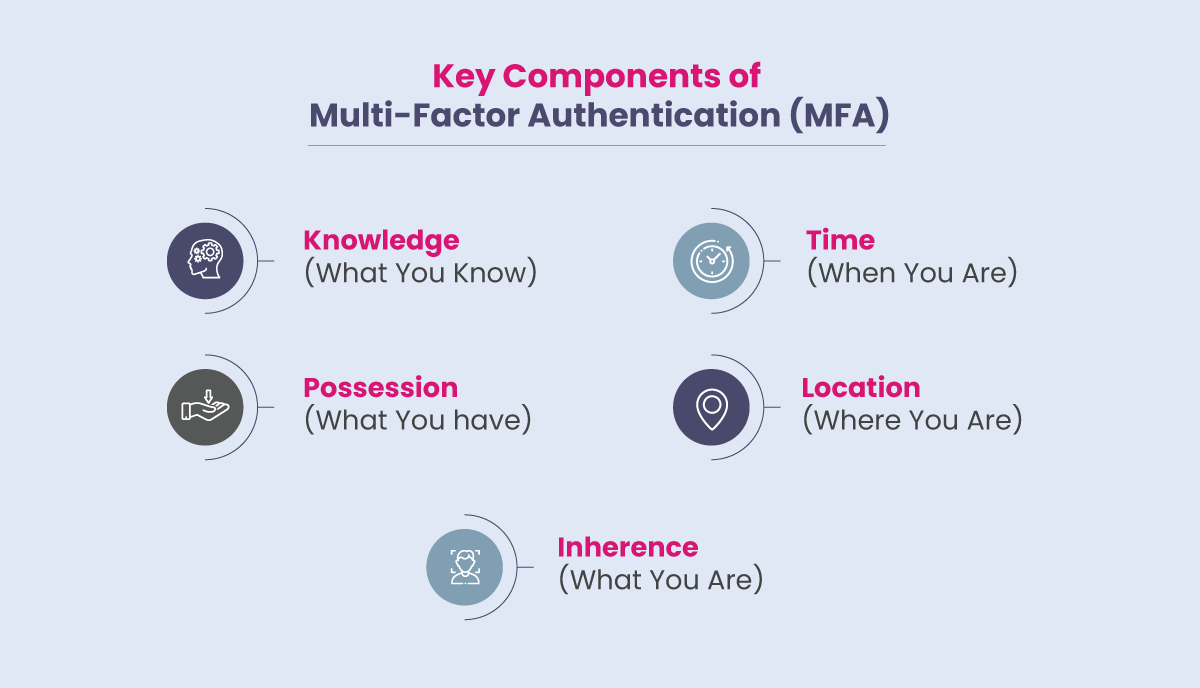
Compared to traditional authentication techniques, biometric data is significantly more challenging for unauthorized users to copy or steal because it is unique to each individual. This built-in security mechanism increases user confidence in the authentication process while also securing critical data. Since identity verification is based on who they are rather than what they know or own, users feel safer.
4. Versatile Application Across Devices
Regardless of where or how consumers access services, biometric authentication may be seamlessly integrated across a variety of platforms and devices to offer a consistent user experience. The ability to authenticate using biometrics guarantees that users can interact with systems without difficulty, whether on desktop computers or mobile devices, increasing user happiness.
5. Hands-Free Authentication Options
In biometric authentication, advanced technologies such as voice recognition offer hands-free authentication solutions that can be particularly useful in environments where users may not have easy access to their hands, e.g., while driving. This flexibility allows users low-effort authentication that accommodates different scenarios.
6. Continuous Improvement and Adaptation
Passive liveness detection, which enables safe authentication without active user engagement, is one of the cutting-edge technologies that biometric technology is integrating to further improve the user experience. This flexibility maintains the authentication process’s strong security standards while making it even more user-friendly.
Recommended: Cyber Insurance: Risks and Trends 2025
Innovations Shaping the Future
- Liveness Detection Technologies: Improvements in liveness detection, such as eye blinking or challenge-response techniques, will be crucial in preventing spoofing attempts by ensuring that each biometric attempt is being made by real users.
- Integration with IoT Devices: As the number of connected devices increases, biometric authentication will be essential to protecting access to personal health and smart home technologies.
- Passwordless Authentication: Emerging trends in the MFA landscape indicate a shift towards passwordless authentication solutions that utilize biometrics for identity verification to enhance convenience while reducing dependence on traditional passwords.
Conclusion
Biometric authentication in MFA is projected to be widely accepted across multiple industries in the future, with improved user experiences and security safeguards. Moreover, it will be a crucial advancement in cybersecurity mechanisms. As technology advances, organizations must use the advantages that biometrics offer to secure access solutions while navigating issues with cost hurdles, privacy concerns, and spoofing dangers.
Further, this landscape will continue to change as wearable, AI and machine learning technologies become integrated, making biometric MFA a vital component in modern security measures. It is anticipated that the integration of biometric authentication into MFA will revolutionize security protocols in various industries. For example, integrating several biometric techniques into Know Your Customer (KYC) processes will improve the accuracy of identification verification and lower the risk of fraud in the banking industry.
Furthermore, a move toward more seamless and integrated security measures is indicated by the increasing use of biometric technologies in wearable technology and Internet of Things (IoT) networks. Navigating the future of biometric identification will require an awareness of these trends as firms continue to place a high priority on identity verification and fraud prevention. Biometric authentication will play a more crucial role in next-gen MFA than it is playing in 2026.
To share your insights, please write to us at info@intentamplify.com