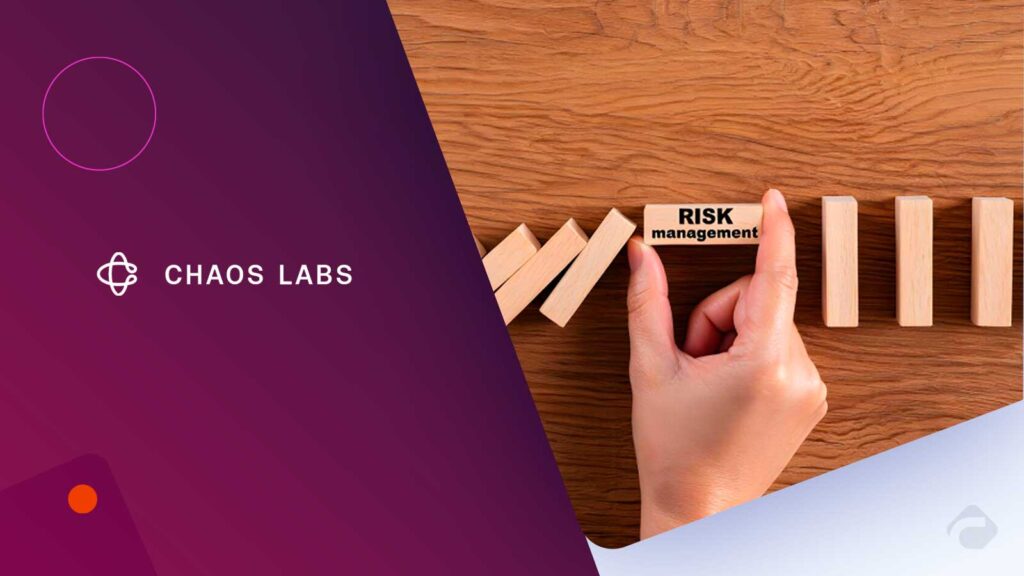
Chaos Labs has terminated its long-standing partnership with Aave, citing serious concerns over the security and resource requirements of the upcoming Aave V4 upgrade. The decision, disclosed in March 2025, marks a significant moment for the decentralized finance (DeFi) sector, particularly as Aave remains the largest lending protocol with billions of dollars in user assets under management.
After three years of collaboration, Chaos Labs confirmed it would no longer provide risk management services to Aave, stating that continuing under current conditions could compromise security standards. The firm revealed it had been operating at a financial loss while supporting Aave and concluded that the proposed budget increase for V4 was insufficient to meet the scale and complexity of the new architecture.
The upcoming Aave V4 represents a major redesign of the protocol, requiring a complete rebuild of its risk management infrastructure. According to Chaos Labs, the new version introduces multiple layers of complexity, including redesigned smart contracts, new collateral frameworks, cross-chain interoperability, and advanced liquidation mechanisms.
These changes significantly increase the need for simulation, testing, and continuous monitoring. Industry observers note that securing such an overhaul typically demands extensive time, specialized expertise, and substantial financial investment far beyond incremental upgrades.
A central issue in the partnership breakdown was Aave’s allocation of resources for risk management. Chaos Labs indicated that only a small portion of the protocol’s operational budget was dedicated to security oversight, a level considered insufficient for a platform of Aave’s scale and systemic importance. Compared to traditional financial institutions which often allocate a larger share of resources to risk and security this gap underscores a broader challenge within DeFi: balancing rapid innovation with robust protection mechanisms.

The termination creates immediate challenges for Aave as it prepares for its next phase. Without an established risk management partner, the protocol must quickly explore alternatives, whether through new external providers or internal security capabilities. At the same time, it must maintain stable operations and reassure its community about ongoing safety measures. The situation also raises concerns across the wider DeFi ecosystem. As a foundational protocol, any disruption or vulnerability within Aave could have ripple effects across interconnected platforms, impacting liquidity, lending markets, and user confidence.
Security experts view this development as a warning sign for the industry. It highlights the increasing complexity of DeFi protocols and the growing importance of professional risk management, especially during major upgrades. The incident also underscores the need for transparent budgeting, stronger governance decisions around security, and more sustainable partnerships between protocols and security providers.
As regulators worldwide continue to examine DeFi practices, the departure of a key risk partner from a major protocol may intensify scrutiny on how decentralized platforms manage operational and security risks. Ultimately, the split between Chaos Labs and Aave reflects a broader tension within DeFi between rapid innovation and the resources required to ensure long-term security and resilience.
Recommended Cyber Technology News:
- Peer Software Partners with Carahsoft to Expand Public Sector Data Solutions
- CrowdStrike Falcon and Ai Force Launch Cybersecurity Solution
- RTX BBN Technologies Launches Maude-HCS Toolkit for Covert Network Validation
To participate in our interviews, please write to our CyberTech Media Room at info@intentamplify.com
🔒 Login or Register to continue reading